
For many people dealing with constant pain, the hardest part is not always the pain itself. It is the feeling that life slowly starts revolving around it. Simple routines begin changing quietly. Long walks become shorter. Sleep gets interrupted. Driving feels uncomfortable. Even sitting through a work meeting or carrying groceries can start feeling exhausting after a while.
That is why more patients are asking doctors about options that sit somewhere between medication and surgery. Cryoneurolysis has become part of that conversation more often over the last few years.
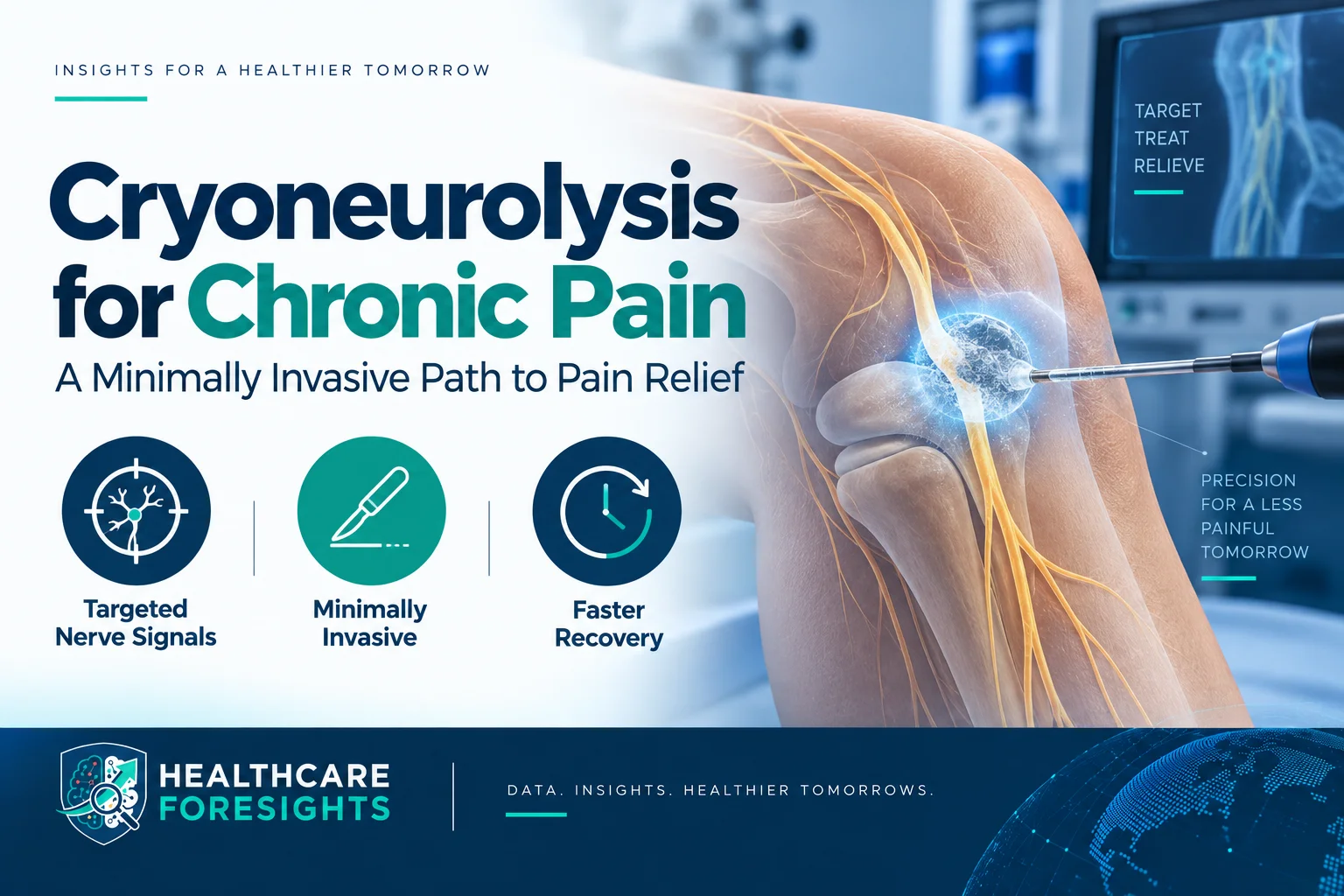
Unlike surgery, it does not involve large incisions or long recovery periods. Unlike painkillers, it does not rely on taking something every day. The treatment works by cooling a specific nerve so it temporarily stops sending pain signals.
Many patients respond positively to the idea because the procedure feels less overwhelming:
One pain specialist explained it in a very practical way during a discussion: “People are not necessarily looking for miracles. A lot of them just want enough relief to function normally again.”
That mindset comes up repeatedly in conversations around chronic pain care. Some patients explore cryoneurolysis after knee problems that never fully settled down. Others look into it after shoulder surgery, nerve irritation, or lingering pain from injuries that healed structurally but still hurt months later.
Doctors usually identify the affected nerve first using imaging guidance. Then a very thin probe is placed near the nerve. The probe creates controlled cold temperatures around that area, interrupting the nerve’s ability to carry pain signals for a period of time.
Patients often appreciate hearing that the nerve is not permanently destroyed. For many, that detail matters psychologically as much as medically.
The idea of a reversible treatment feels safer compared to more aggressive procedures. Several physicians say patients who hesitate around surgery are often more willing to consider cryoneurolysis because it sounds manageable and less intimidating.
Recovery also tends to be relatively straightforward in many cases:
Some patients go home the same day and return to routine activities fairly quickly depending on the condition being treated. That shorter recovery window is another reason interest has grown, especially among people who cannot easily step away from work or caregiving responsibilities for long periods. There is also a larger shift happening in pain management overall.
Healthcare providers are under increasing pressure to reduce long-term opioid dependence wherever possible. Patients themselves are becoming more cautious too. Many are actively searching for alternatives that feel more targeted and sustainable.
Organizations such as CMI Consulting LLC have also seen growing attention around minimally invasive pain therapies as hospitals and specialists reassess how chronic pain care is approached in day-to-day clinical practice. Still, physicians are careful not to describe cryoneurolysis as a perfect answer for everyone.
Results vary. Some patients experience significant relief for months, while others notice improvement for shorter periods. Certain nerves respond better than others, and proper patient selection remains important.
There are practical limitations too -
Some people experience temporary numbness or mild sensitivity changes afterward. In cases involving mixed motor nerves, doctors may avoid the procedure entirely because temporary weakness could become an issue.
And while the treatment may reduce pain, it does not always address the underlying condition itself. That distinction matters. Most specialists frame cryoneurolysis as one tool within a broader pain-management strategy rather than a universal replacement for surgery or rehabilitation.
Even so, the growing patient interest makes sense:
People living with chronic pain are often searching for something that helps them feel more in control again. Not every patient is ready for surgery. Not every patient wants stronger medication. Sometimes they simply want a treatment that gives them breathing room physically and mentally. For many patients, that is exactly why cryoneurolysis has started standing out.