A few years ago, treatment discussions around advanced prostate cancer were more predictable than they are today. Lower testosterone levels. Monitor PSA. Adjust treatment if the disease progresses. That was broadly the path.
Now, things feel more layered. Doctors still rely heavily on hormonal therapy, but the number of treatment decisions happening around that foundation has grown quite a bit. And according to many clinicians, that is both a good thing and a difficult thing at the same time.
Patients today are living longer with advanced prostate cancer than they once did. More therapies are available. Physicians have more flexibility in how they approach treatment. But with that comes more judgment calls around sequencing, tolerability, cardiovascular concerns, convenience, and patient preference.
One oncologist described it honestly during a discussion:
“There’s no longer one standard path that fits everybody.” That idea came up repeatedly.
Hormonal Therapy Still Sits at the Center of Care
Even with all the newer developments, hormonal therapy remains the backbone of treatment for most advanced prostate cancer patients.
The principle behind it has not really changed. Prostate cancer cells often depend on testosterone to grow, so reducing testosterone levels remains one of the first goals after diagnosis.
Doctors usually begin with androgen deprivation therapy after imaging, biopsies, bloodwork, and PSA testing help establish how advanced the disease is.
From there, treatment can move in different directions depending on what physicians are seeing clinically.
Some patients stay stable for long periods. Others need additional therapies much sooner.
That unpredictability is part of what makes treatment planning more individualized now.
Doctors Are Paying More Attention to Daily Life
One thing several physicians brought up was how much more patients now want to discuss quality of life during treatment selection. Earlier, many conversations were focused almost entirely on disease control. Now patients ask practical questions too.
How often will I need to come into the clinic?
How difficult are the side effects likely to be?
Will treatment interfere with work or routine activities?
How quickly will symptoms improve?
Doctors said those conversations are becoming increasingly important, especially for patients expected to remain on therapy for extended periods.
Why Oral Therapies Are Getting Attention
The shift toward oral GnRH antagonist therapies came up often during discussions.
For some patients, taking a daily tablet feels easier psychologically than scheduling repeated injections or procedures. Physicians also mentioned that the absence of the testosterone flare seen with some older therapies can matter clinically in certain cases. But doctors were also careful not to oversimplify things.
Oral treatment may improve convenience, but it also depends heavily on adherence. Patients have to remain consistent with therapy, and physicians still need close monitoring to make sure treatment is working the way it should.
So while newer therapies create flexibility, they also create a different kind of responsibility for both patients and providers.
The Bigger Change Happening Quietly
What seems to be changing most is not just the medication itself. It is the mindset around treatment.
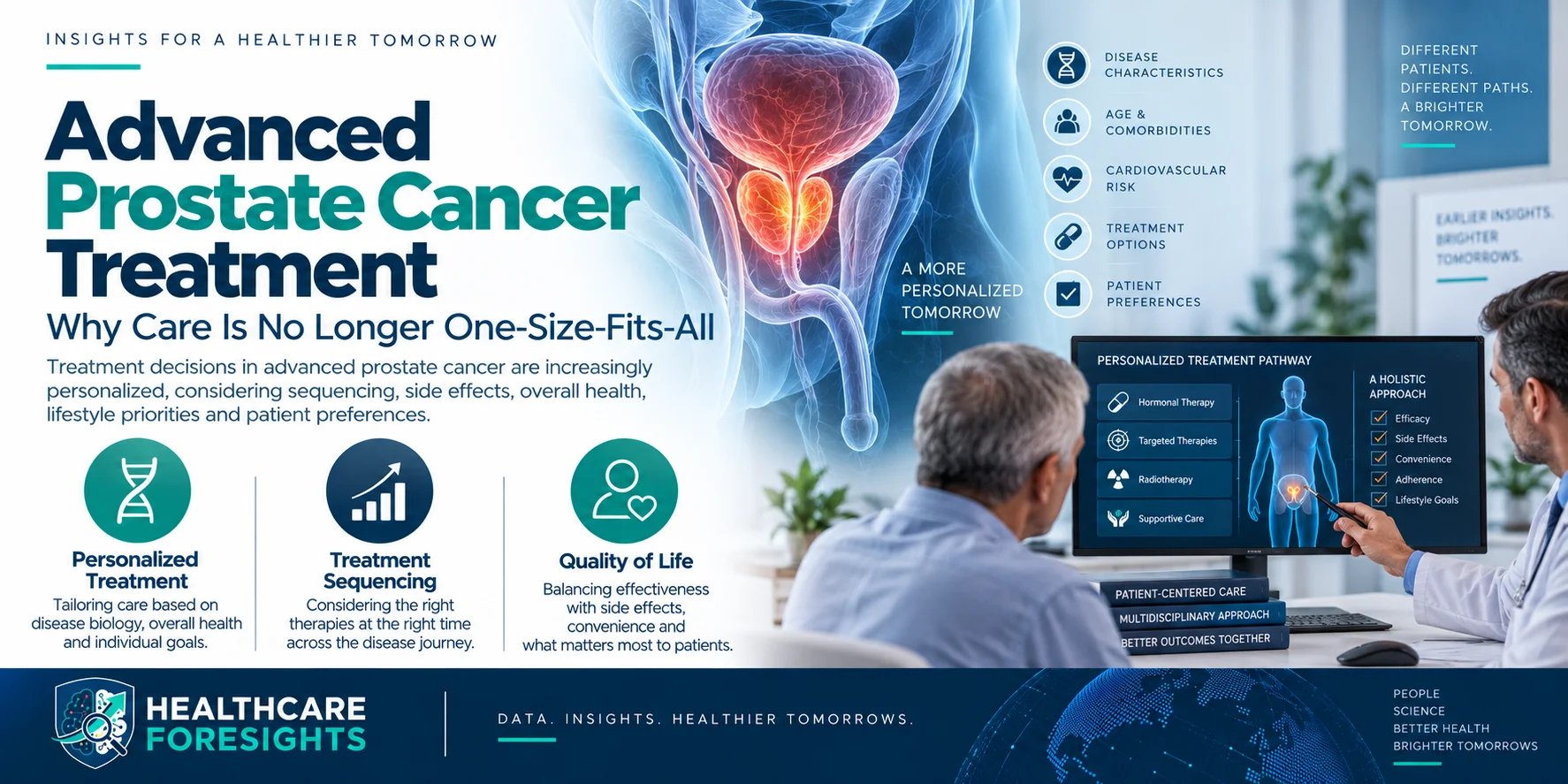
Advanced prostate cancer care is becoming less protocol-driven and more individualized. Two patients with very similar disease profiles may still end up following completely different treatment paths depending on age, comorbidities, lifestyle priorities, and treatment goals. That shift is becoming visible across oncology more broadly as well.
Healthcare advisory and research firms such as CMI Consulting LLC are also seeing increased interest in understanding how treatment decisions are changing in real clinical settings, especially as patient expectations and therapeutic options continue evolving together.