
The Challenge Has Never Been Just One Symptom
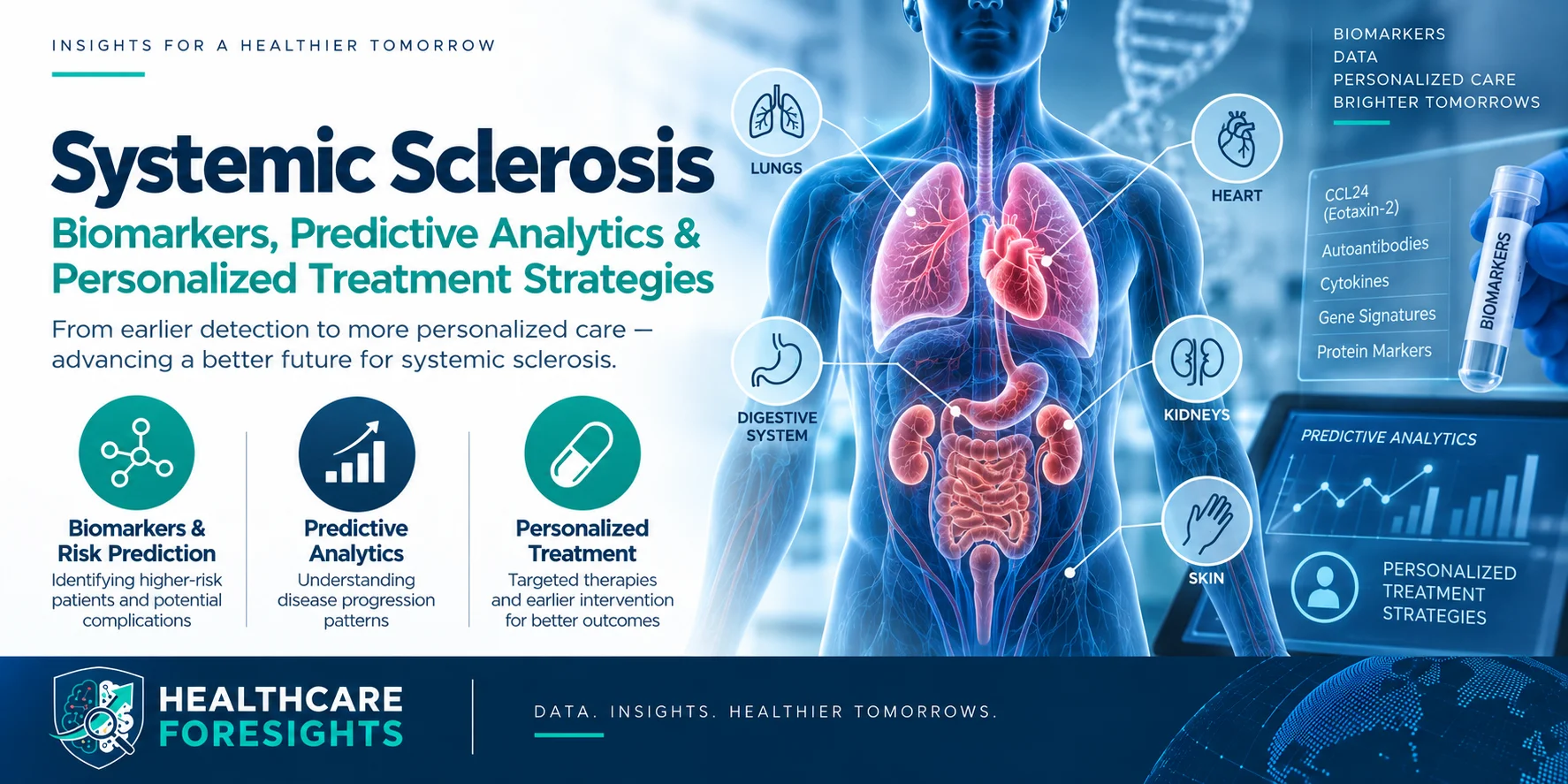
Systemic sclerosis varies widely between patients. Some mainly have skin thickening and circulation problems, while others develop lung complications early or see rapid change. Internal organs such as the lungs, digestive system, kidneys and heart can become involved over time, which makes monitoring difficult and leaves treatment decisions uncertain.
Why Biomarker Research Matters So Much
Researchers are studying serum CCL24 (Eotaxin-2) as a possible marker for complications such as interstitial lung disease and digital ulcers. The goal is to identify higher-risk patients before visible deterioration, so treatment adjustments could happen earlier rather than after progression is clinically evident.
Clinical Trials Feel More Encouraging
Clinicians report more optimism about targeted therapies and early intervention than in the past, while still acknowledging that the disease is not solved. The CONQUEST trial, which studies patients with interstitial lung disease, was frequently discussed because lung involvement is among the most serious aspects of the condition.
Technology Is Quietly Entering the Conversation
Computational predictive models are being used to study progression patterns that may not be apparent during standard follow-up. Their routine clinical use is still uncertain, but many specialists expect such models to become part of how complex autoimmune diseases are monitored.
Treatment Discussions Are Becoming More Individualized
Clinicians increasingly consider which patients are likely to benefit from specific therapies, who may progress faster, and how treatment intensity should vary with disease behavior. Systemic sclerosis may benefit from precision medicine more than many conditions because patient variability is so large.
There Is Still a Long Way to Go
Care for systemic sclerosis remains complicated, with treatment uncertainty and serious long-term challenges for many patients. Even so, understanding of progression has improved, more tools are available, and momentum around earlier detection and targeted intervention is growing.