
Molecular diagnostics are transforming cancer care by enabling earlier detection and more personalized treatment. PCR, next-generation sequencing, liquid biopsy and AI are improving diagnostic precision, while advances in genomics are shaping the future of precision oncology.
Cancer is still one of the leading causes of death worldwide. What has changed is how early we can catch it, and molecular diagnostics are most of the reason why. Catching cancer early reshapes the entire treatment path and genuinely improves the odds someone survives.
What This Technology Actually Does
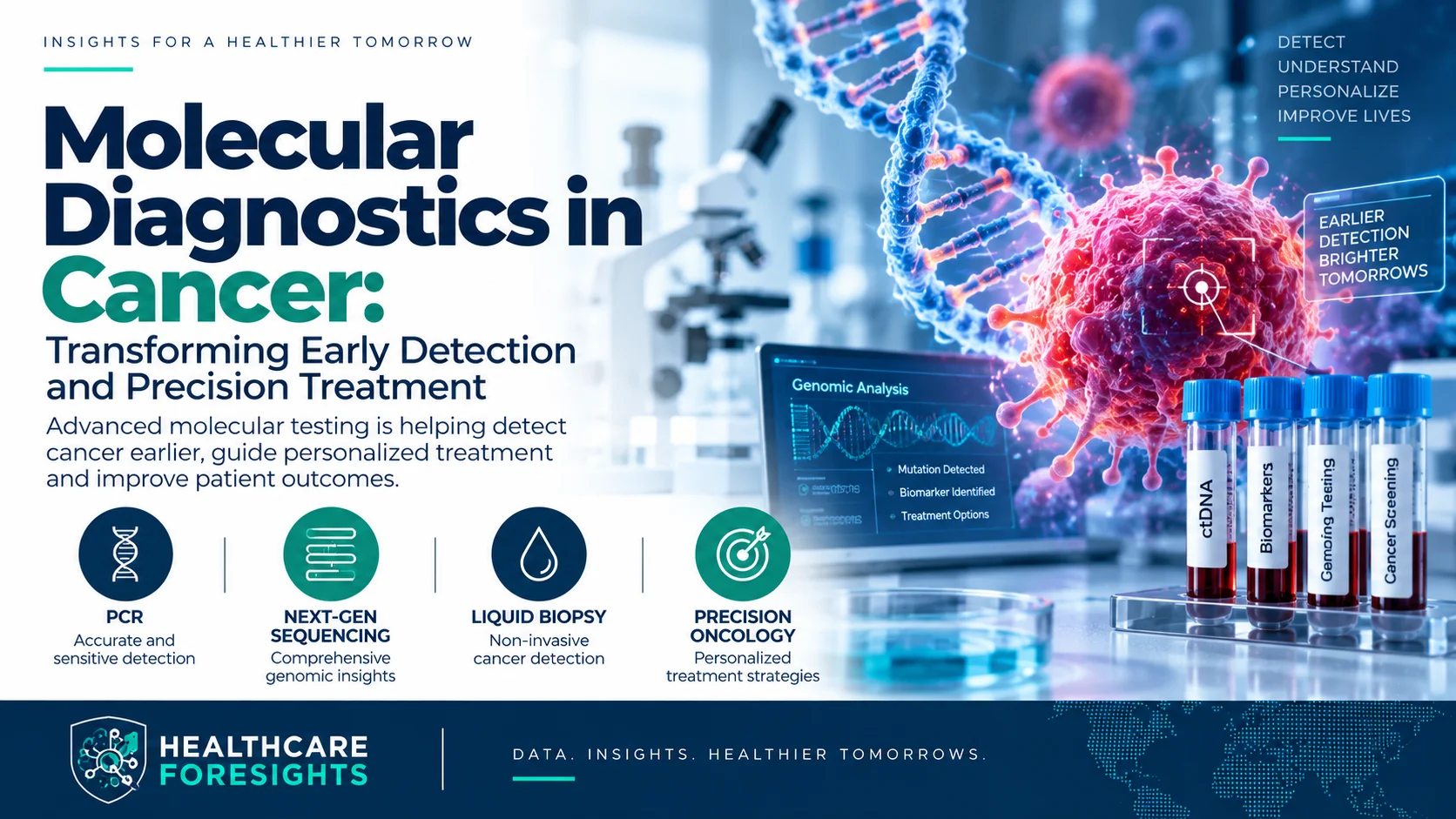
Molecular diagnostics are, at bottom, tools for reading biological markers across the genome and proteome. They detect disease, flag genetic predisposition, and help guide treatment decisions built around one specific patient rather than a generic playbook. Three technologies do most of the heavy lifting here - PCR, next-generation sequencing and microarrays - and together they touch infectious disease, genetic testing and personalized medicine as well as oncology.
Why Catching It Early Actually Matters
Cancer diagnosis used to lean almost entirely on imaging and histopathology. Those tools tend to find cancer later than you would want, usually after symptoms have already shown up. Molecular diagnostics push that timeline back, sometimes catching cancer before a patient notices anything is wrong, which means a better prognosis and significantly higher odds of survival.
The Actual Tools Doing the Work
PCR (polymerase chain reaction) takes tiny amounts of DNA or RNA and amplifies them to detectable levels. In cancer, PCR can zero in on the genetic mutations or chromosomal rearrangements tied to a particular cancer type.
Next-generation sequencing gives a comprehensive genomic picture and catches a wide range of alterations - point mutations, insertions, deletions and copy number changes - and has found real traction in diagnosing breast and ovarian cancer.
Liquid biopsy is built around detecting circulating tumor DNA, offering real-time insight into a tumor's molecular makeup from a simple blood draw, with no invasive tissue biopsy required.
Microarrays let researchers look at thousands of genes at once, which is useful for spotting expression patterns and gene signatures tied to prognosis, such as the likelihood that breast cancer will recur.
Why This Actually Beats the Old Way
Accuracy improves noticeably by targeting specific biomarkers directly. Treatment gets genuinely personal, built around a patient's actual biology instead of a generic protocol. And many of these tools are minimally invasive compared to traditional tissue biopsies.
What's Actually Slowing This Down
Regulation is demanding; clearing FDA approval or CE marking takes time, money and expertise. Cost is another wall, limiting access in lower-income regions. Making sense of the genetic data takes serious bioinformatics, and protecting sensitive genetic data demands real cybersecurity investment.
Where This Is Actually Headed
Partnerships between diagnostics companies, testing centers and research institutions are speeding up innovation. AI and machine learning are proving powerful for making sense of the enormous datasets these tests produce, helping predict cancer risk, flag biomarkers and point toward optimal treatment strategies. The companies that pair clinical accuracy with affordable pricing and solid data security are the ones expected to lead as oncology molecular diagnostics becomes more central to cancer care.