
Idiopathic pulmonary fibrosis (IPF) remains a condition with few treatment options and an uncertain outlook. Current therapies help manage symptoms but have not substantially altered disease progression. Investment continues despite notable failures, with pharmaceutical companies, venture investors and clinical trial pipelines remaining active in fibrosis research.
Beyond Traditional Antifibrotics
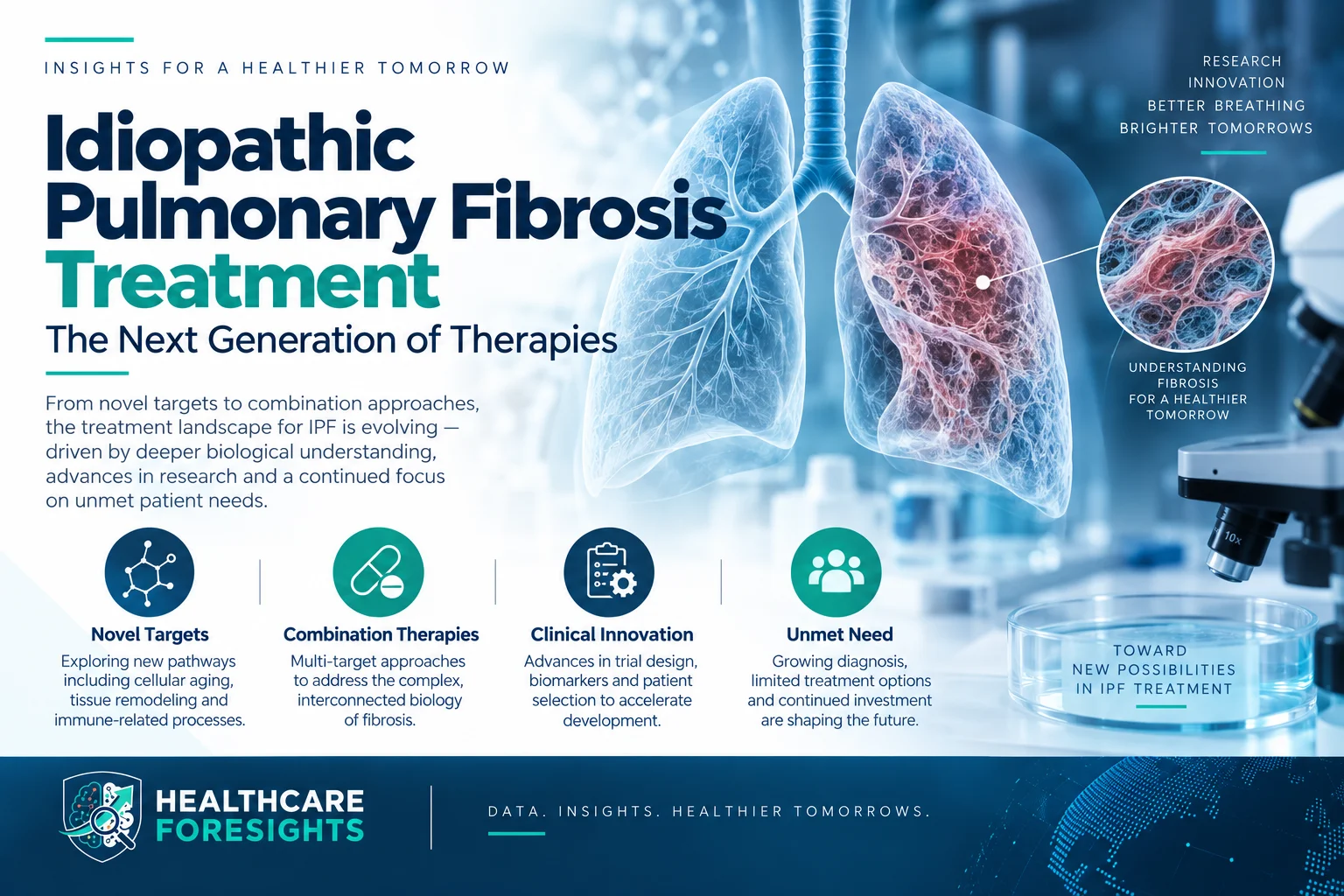
Pirfenidone and nintedanib were the first therapies to slow lung function decline in IPF, but they did not halt progression and side effects remain a concern. Current research aims to address underlying fibrotic mechanisms, including cellular aging, tissue remodeling and immune-related pathways, rather than only the existing antifibrotic approach.
Challenges in Clinical Development
Several candidates that performed well in early studies did not succeed in larger trials. Such outcomes have improved understanding of the disease and informed better trial design.
Combination Therapy
Fibrosis is increasingly viewed as the result of interconnected cellular pathways rather than a single mechanism. Researchers are evaluating whether combining therapies with different mechanisms can outperform single-agent treatment, an approach that has succeeded in oncology and infectious disease.
Market Opportunity
The IPF market is relatively narrow, but unmet clinical need is significant. Rising diagnosis rates, greater clinician awareness and improved diagnostic tools support earlier detection and continued commercial interest in lung and rare disease markets.
Outlook
The goal of IPF care is shifting from slowing disease progression toward potentially starting treatment earlier, targeting disease processes more precisely, and achieving outcomes once considered unlikely. Whether these approaches will change long-term patient outcomes remains to be seen.