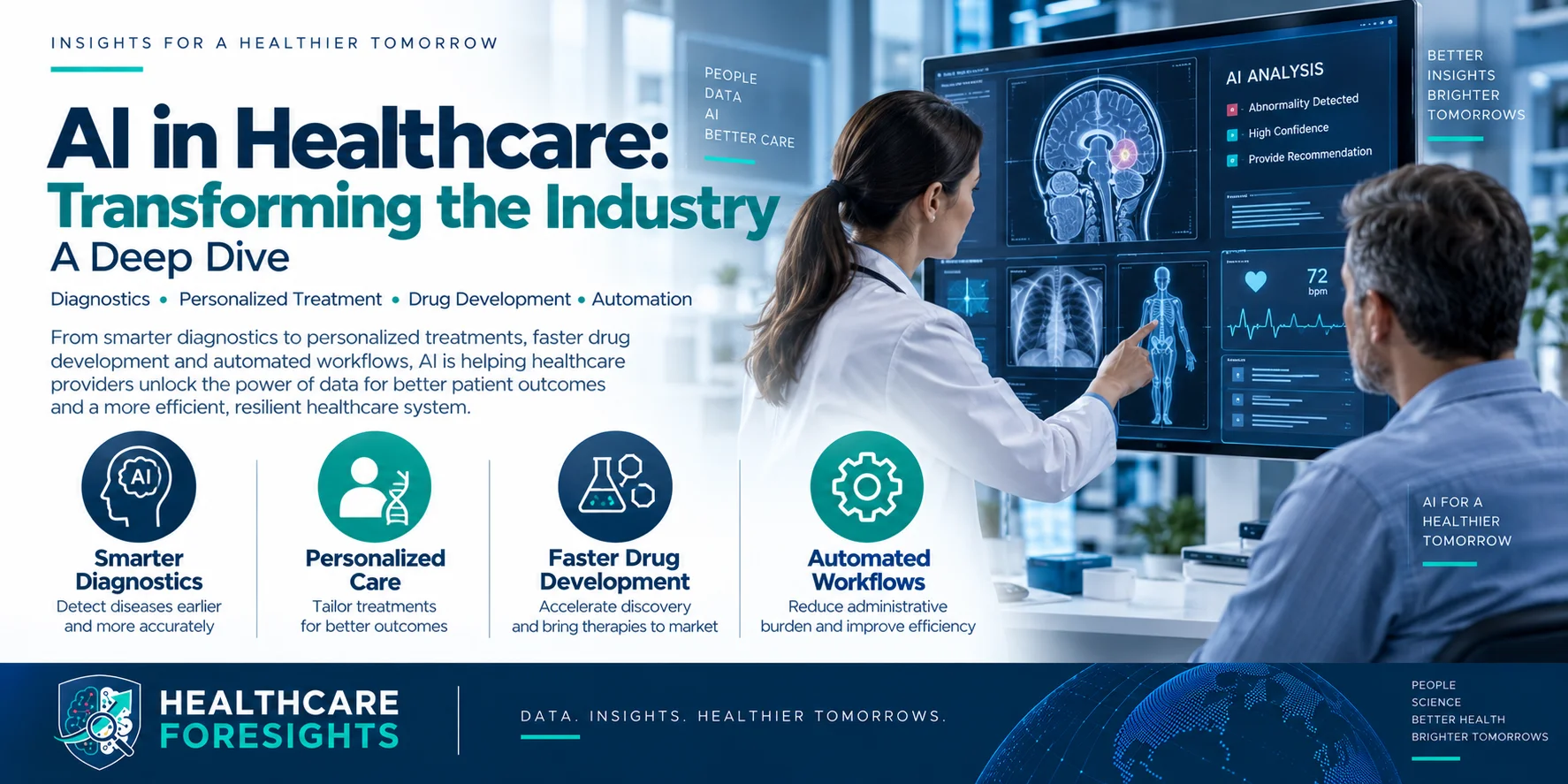
Artificial Intelligence (AI) is transforming healthcare by improving diagnostics, enabling personalized treatments, speeding up drug development, and automating administrative tasks. It helps healthcare providers analyze large amounts of data quickly, leading to better patient outcomes and efficiency.
There was a time when advanced melanoma conversations felt much shorter and much harder. Treatment options were limited, outcomes were uncertain, and many physicians were left trying to manage a disease that could turn aggressive very quickly.
Over the last decade, especially with the growth of immunotherapy and targeted treatment approaches, melanoma care in the U.S. has changed in ways that would have sounded unrealistic years ago. Patients are living longer in many cases. Treatment paths are more personalized. And physicians have more flexibility than they once did.
To understand what day-to-day melanoma management actually looks like now, Healthcare Foresights spoke with oncologists, dermatologists, and payers across the U.S. The discussions were less about headlines and more about reality.
Doctors Are No Longer Treating Every Patient the Same Way
Several physicians said they rarely think in terms of standard treatment anymore. Immunotherapies and targeted therapies have changed the conversation completely. Doctors talked about balancing mutation status, disease progression, tolerance levels, existing health conditions, and patient preferences all at the same time. Two patients with similar diagnoses may still end up receiving very different treatment plans.
Biomarker Testing Is Now Part of the Everyday Conversation
Biomarker testing has become almost impossible to separate from treatment planning. Clinicians want to know which therapy actually fits the biology of the tumor in front of them, and patients themselves are becoming more informed, asking more questions and comparing treatment paths earlier.
More Options Have Also Created More Complexity
Having more therapies available has created its own kind of pressure. Sequencing remains a major question: when should immunotherapy come first, when should targeted therapy enter, and how much should toxicity concerns influence the order of treatment. Insurance approvals, patient response and logistics shape the path as much as clinical trial data.
Patient Monitoring Has Become Far More Hands-On
Immune-related adverse events can escalate quickly if missed early, so melanoma management now often involves coordination between multiple teams. Doctors stay in closer contact with patients and involve dermatologists, nursing teams and primary care physicians more regularly.
Payers Are Looking Closely at Long-Term Value
Most payers are aligned with clinicians on access to effective therapies but are under pressure to justify long-term cost sustainability. Formulary decisions depend heavily on evidence, prior authorization remains common for high-cost therapies, and real-world evidence is becoming more important in reimbursement discussions.
The Bigger Picture
Melanoma care is no longer just about introducing new drugs; the bigger challenge now is coordination among clinicians, payers, researchers and healthcare systems so that innovative care is accessible and sustainable over time.
Looking Forward
The science will keep evolving. The harder part may be making sure the system around it evolves too.