
Advanced melanoma care in the U.S. has changed substantially over the past decade, driven mainly by immunotherapy and targeted treatments. Many patients now live longer, treatment paths are more personalized, and physicians have more flexibility than before.
Healthcare Foresights spoke with oncologists, dermatologists, and payers across the U.S. to understand how melanoma management works in practice. The conversations focused on clinic realities, payer hesitations, and how treatment decisions are actually made.
Treatment Is Now Individualized
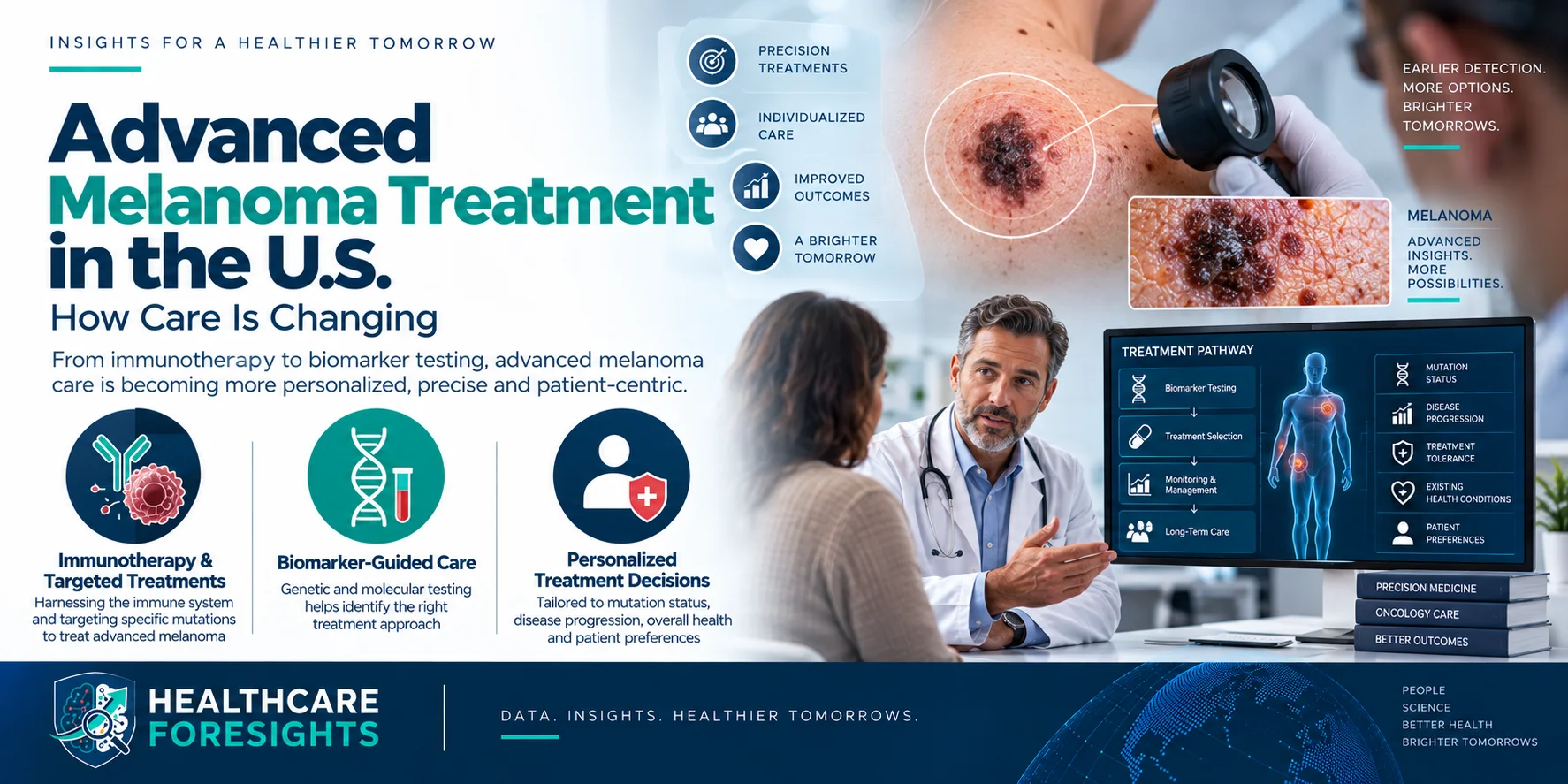
Clinicians said they rarely think in terms of a single standard treatment anymore. They weigh mutation status, disease progression, tolerance, existing conditions and patient preferences together, so patients with similar diagnoses may receive different plans. One oncologist put it this way: the diagnosis might be similar, but the treatment journey usually isn't.
Biomarker Testing Is Central to Planning
Biomarker testing is now closely tied to treatment planning. Clinicians want to know which therapy fits the tumor biology in front of them. Patients also arrive better informed about immunotherapy, mutation testing and trial options, which leads to more questions and earlier discussion of trade-offs.
More Options Bring More Complexity
Having more therapies has created pressure of its own. Clinicians face ongoing questions about sequencing, such as when to start immunotherapy, when targeted therapy should begin, how to respond to resistance, and how toxicity should shape the order of treatment. Guidelines help, but real decisions are shaped by insurance approvals, patient response, side-effect management and logistics as much as trial data.
Monitoring Is More Hands-On
Follow-up care now demands more involvement. Immune-related adverse events can escalate quickly if missed, so care increasingly involves coordination among dermatologists, nursing teams, primary care physicians and oncologists, with closer patient contact and encouragement to report symptoms early.
Payers Focus on Long-Term Value
Payers generally agree that patients should have access to effective therapies, but they also face pressure to show long-term cost sustainability. Formulary decisions rely heavily on evidence, especially guideline alignment and long-term outcomes. Prior authorization remains common for high-cost therapies, and real-world evidence is gaining importance, including long-term survival, adherence, toxicity management and durability outside controlled studies.
The Bigger Picture
Melanoma care is no longer only about introducing new drugs. The central challenge is coordination among clinicians, payers, researchers and health systems so that innovative care is accessible and sustainable over time.
Looking Forward
Melanoma treatment has advanced rapidly. The conversation now includes how therapies fit into real practice, how patients experience them over time, and how health systems support access while remaining sustainable.